
Ultrasound- and fluoroscopy-guided injections, nerve blocks and minimally invasive procedures delivered by board-certified physicians and coordinated with on-site imaging and rehabilitation.
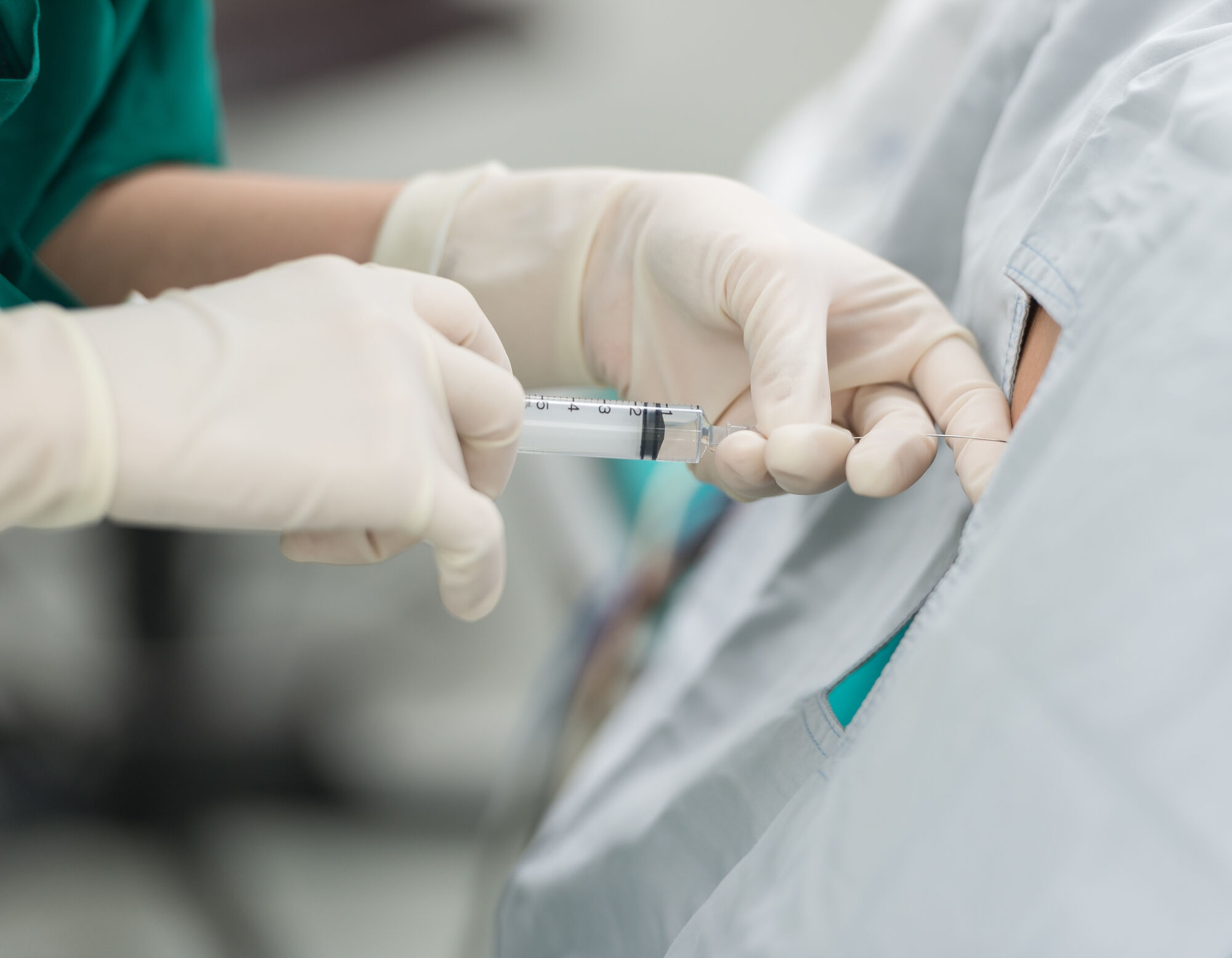
Pain may involve several contributing factors. At TPL, physician evaluation, diagnostic imaging, image-guided treatment and rehabilitation are coordinated within one integrated system, creating a clearer and more efficient path forward.
Herniated discs, sciatica, facet pain, sacroiliac joint pain and spinal stenosis.

Knee, hip, shoulder and tendon pain, including osteoarthritis and overuse injuries.
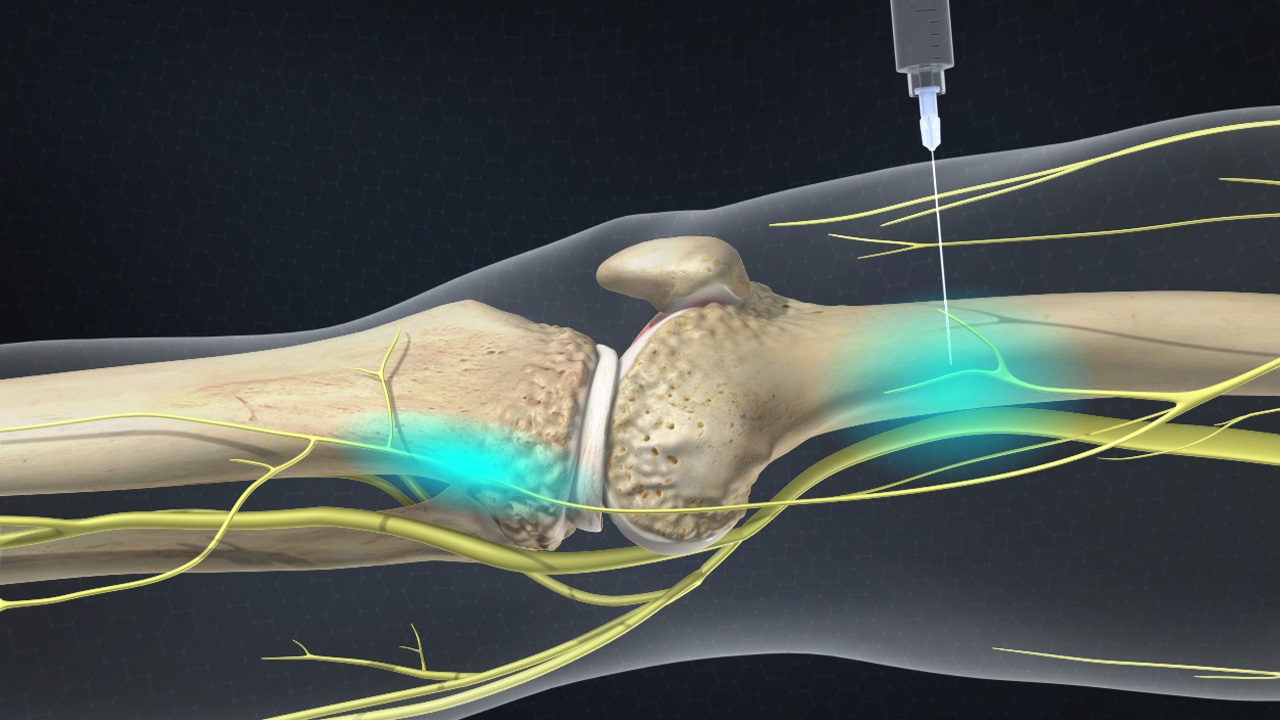
Radiculopathy, neuropathic pain and post-injury nerve irritation.
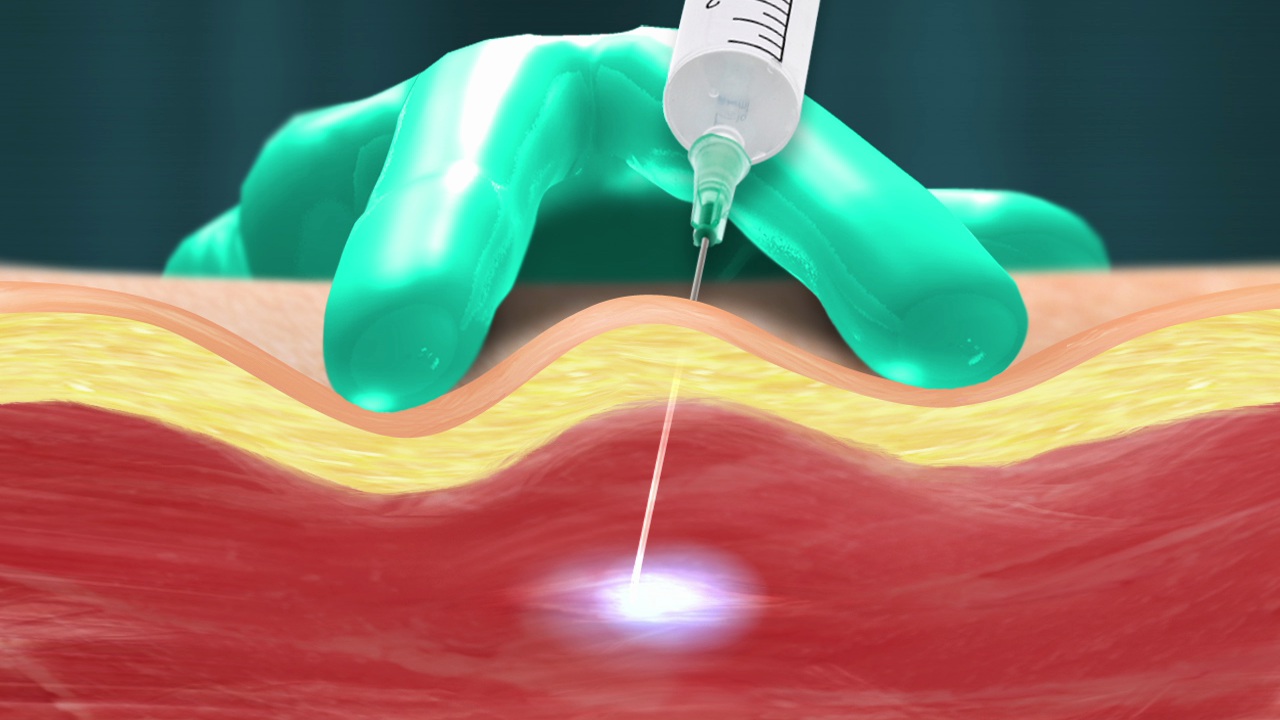
Spasticity, muscle tightness and movement-limiting tone related to brain injury, stroke, spinal cord injury and other neurological conditions.
If any of these sound familiar, an evaluation is the right next step:
A structured, same-campus pathway — evaluation, diagnostics and treatment coordinated by one team.
Comprehensive physician evaluation to determine the source of pain and appropriate next steps.
On-site MRI, X-ray or diagnostic ultrasound can be coordinated during the same visit when clinically indicated.
An image-guided injection or minimally invasive procedure selected based on the diagnosis and treatment goals.
Coordinated physical therapy and recovery technologies designed to support mobility, function and long-term progress.
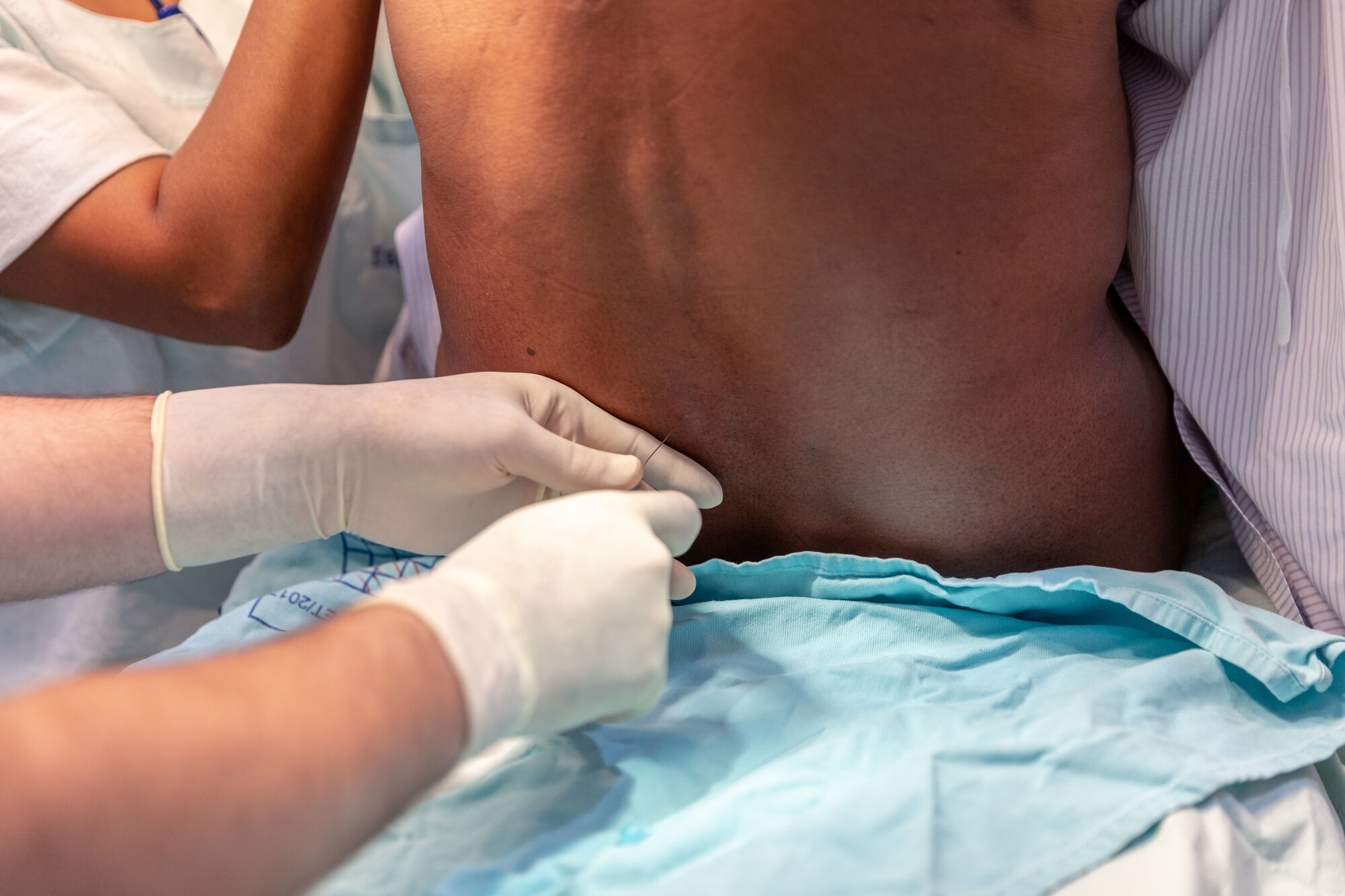
Epidural, facet, sacroiliac joint, joint, tendon and trigger-point injections performed with ultrasound or fluoroscopic guidance as appropriate.
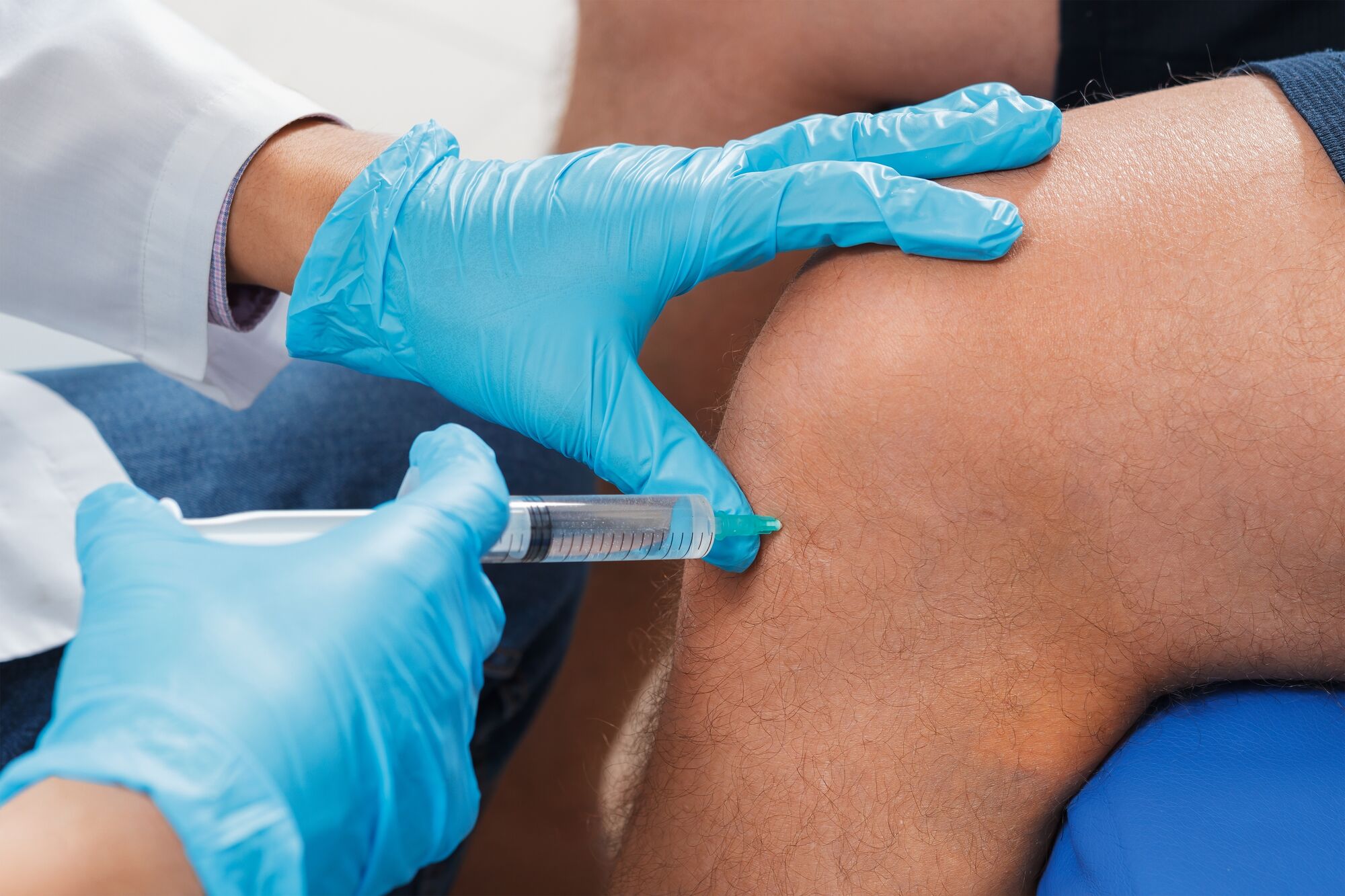
Platelet-rich plasma and platelet-derived protein concentrate used when clinically appropriate to support joint and soft-tissue recovery.
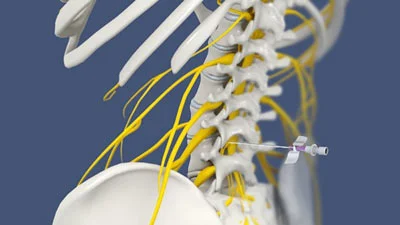
Diagnostic and therapeutic nerve blocks and radiofrequency ablation for appropriately selected patients.
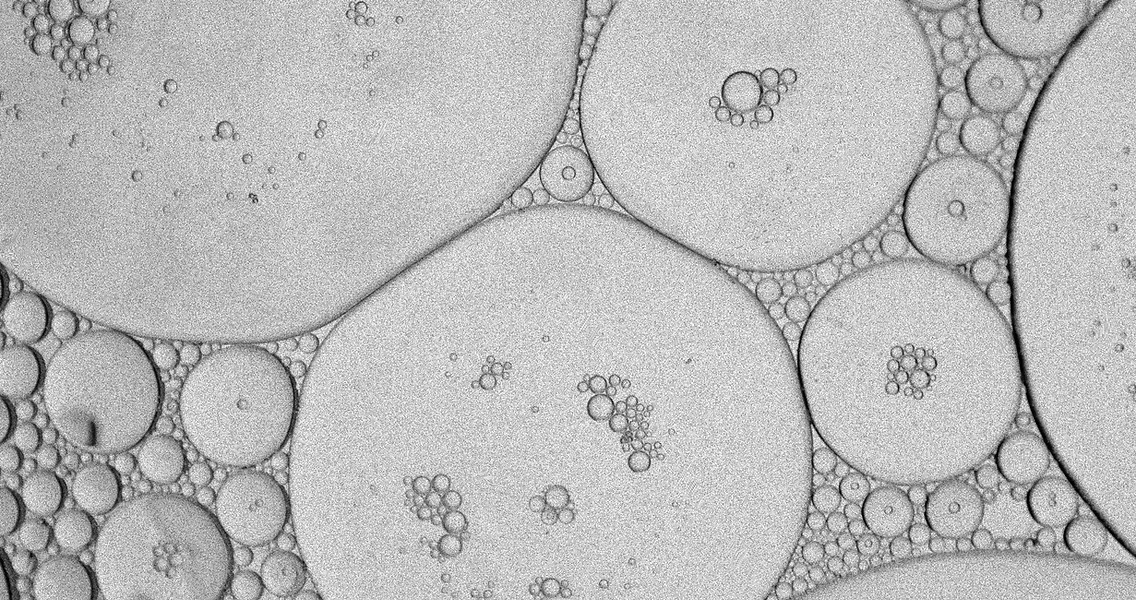
Hyaluronic-acid injections used to help manage osteoarthritis-related joint pain.
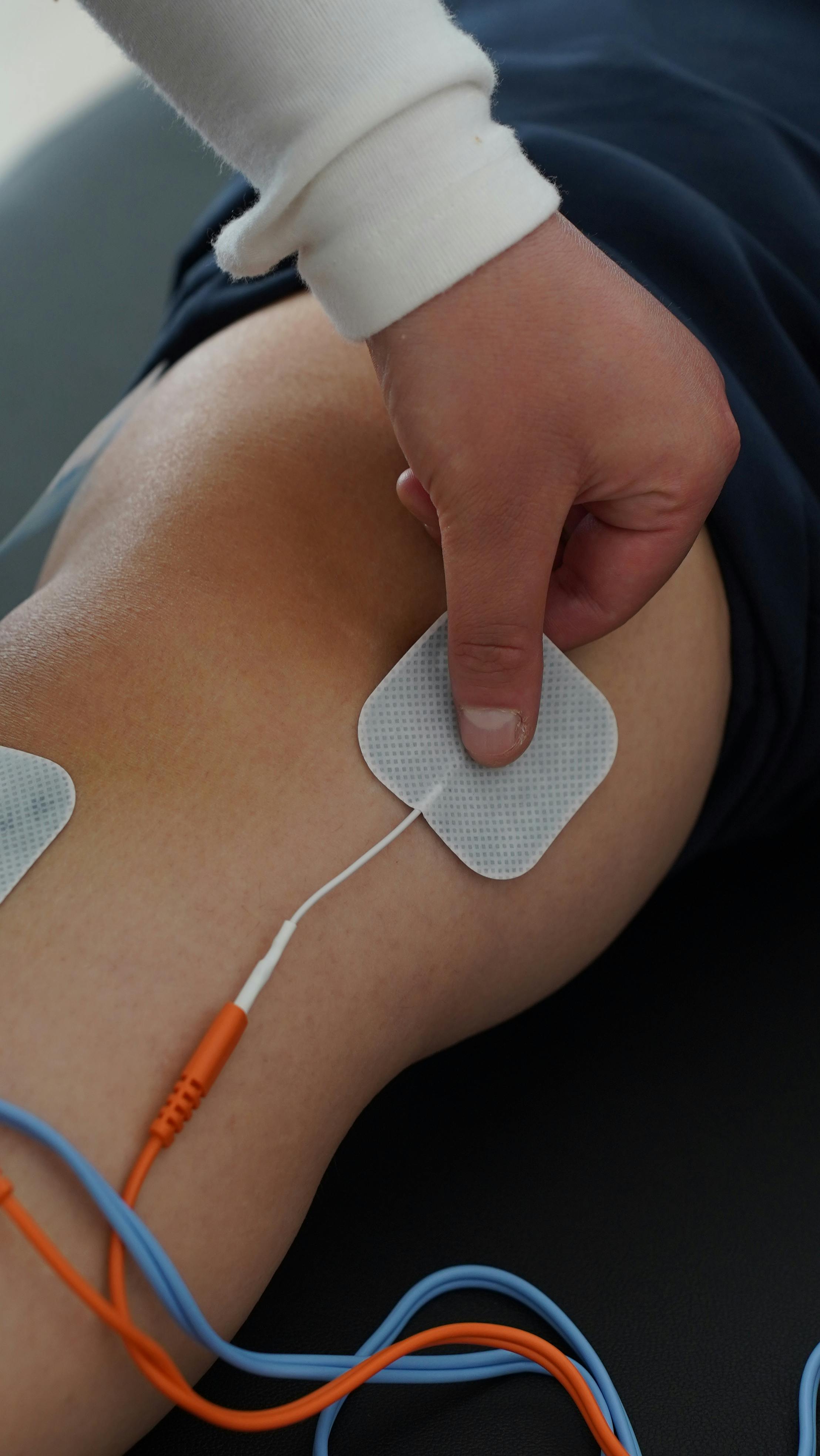
Spinal cord stimulation, peripheral nerve stimulation and intrathecal pain pumps for selected chronic-pain conditions.
Lumbar decompression, interspinous spacers, vertebral augmentation, kyphoplasty and other advanced procedures when clinically appropriate.
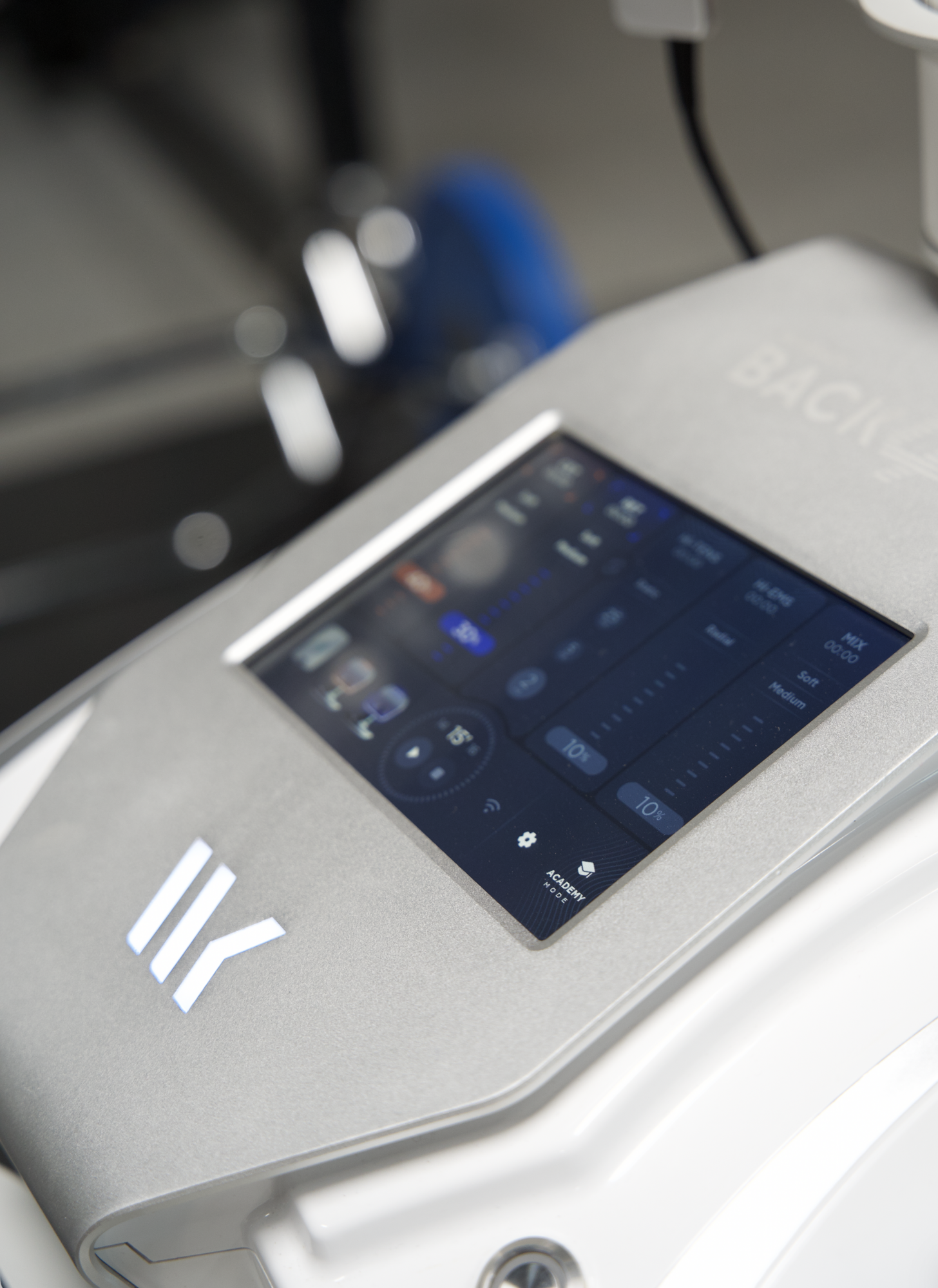
Shockwave, PEMF, Class IV laser and other technologies used to support mobility, recovery and symptom management.
Physician-directed evaluation and treatment of spasticity and movement-limiting muscle tone.
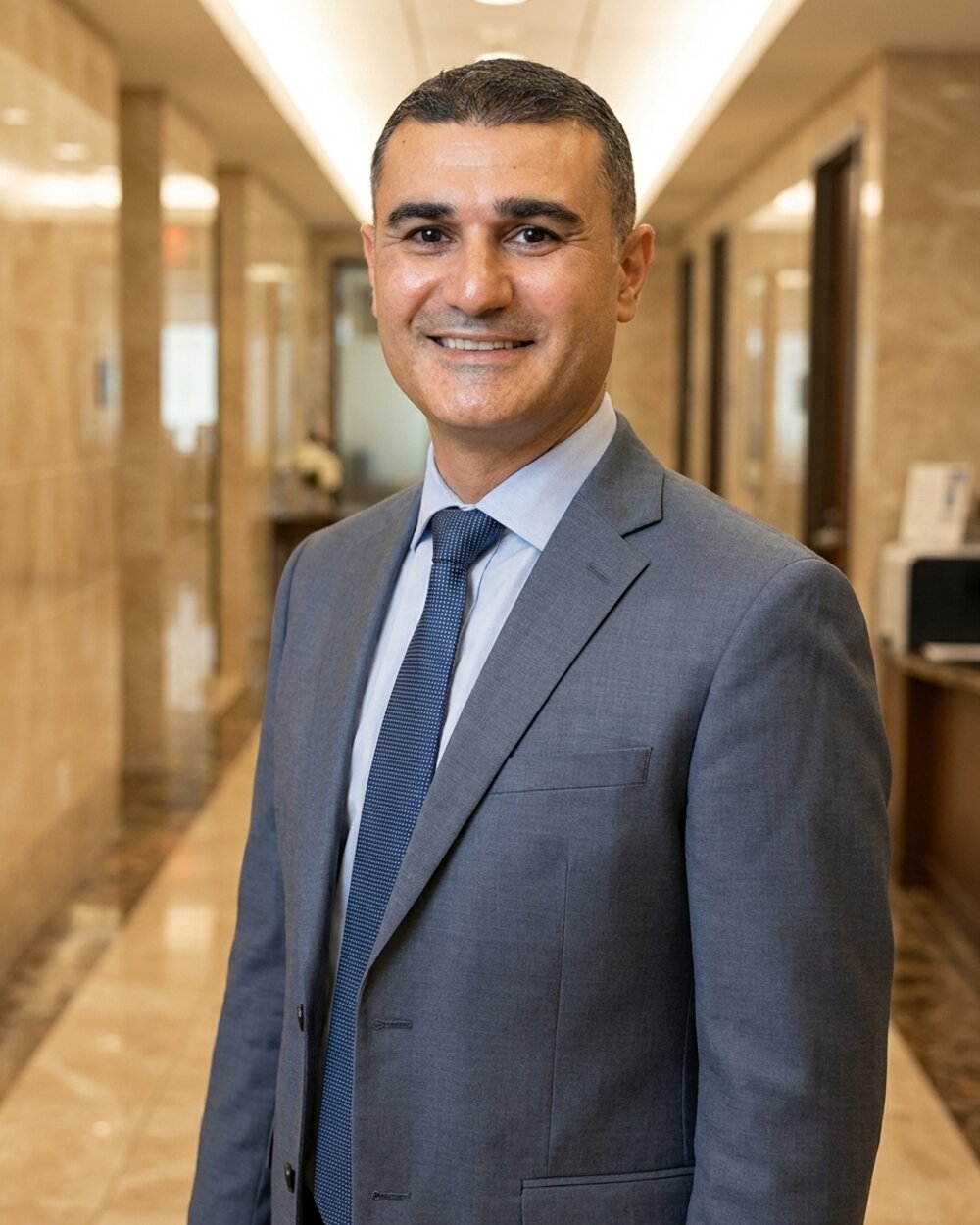
Board-certified in Physical Medicine and Rehabilitation and fellowship-trained in Pain Medicine, with expertise in image-guided procedures, minimally invasive spine care, neuromodulation and functional rehabilitation.

Board-certified in Physical Medicine and Rehabilitation and Pain Medicine, with expertise in advanced spine procedures, neuromodulation, joint interventions and minimally invasive pain treatment.

NCCPA-certified Physician Assistant with more than 20 years of experience in pain management, orthopedic spine care and neurosurgery, including patient assessment, treatment planning, injections and postoperative care.
Most new pain-management patients can be evaluated within one week. On-site imaging may also be coordinated during the same visit when clinically appropriate.
Yes. Our physicians use ultrasound or fluoroscopic guidance when appropriate to improve visualization and precision during injections and procedures.
Not necessarily. Treatment begins with a comprehensive evaluation and may include medication management, rehabilitation, image-guided injections, regenerative procedures or other minimally invasive options. If surgery is appropriate, our team can coordinate the next step.
Yes. PRP and platelet-derived protein concentrate may be considered for selected joint and soft-tissue conditions following a physician evaluation.
Some procedures are performed at The Performance Lab, while more advanced procedures may be performed at the Center for Advanced Surgical Services (CASS), depending on the procedure and the patient's clinical needs.